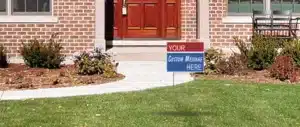
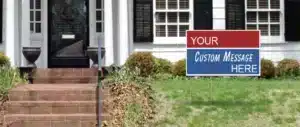
How To Install Yard Signs For Your Campaign?

Political campaigns leave impressions long before a voter steps into a polling booth. Many of those impressions happen at street level during everyday routines like commuting to work, dropping kids off at school, or waiting at a red light.
Yard signs sit between familiarity and visibility. They reinforce a candidate’s name through repetition rather than persuasion, which makes installation quality just as important as the message itself. A crooked sign, a faded panel, or a display knocked over after one windy afternoon signals carelessness, even when the campaign message is strong.
Understanding how to put up yard signs with intention changes how a campaign is perceived across an entire district. Installation is not simply a task to check off a volunteer list but a process that combines planning, timing, materials, and location awareness.
At PoliticalLawnSigns.com, we see yard signs used in races of every size. Campaigns that treat installation as part of strategy consistently deliver greater value from the same number of signs. This guide brings together proven field practices and campaign placement logic. It also draws on real-world experience from years of political sign use to help campaigns install yard signs that look deliberate, stay upright, and are seen.
How To Put Up Yard Signs With Campaign Intent
Yard signs serve a specific purpose in political campaigns: name recognition rather than persuasion or education.
Drivers passing at neighborhood speeds have only seconds to register what they see. This means placement, readability, and stability matter far more than clever wording or decorative elements. Proper installation allows the sign to operate quietly in the background, reinforcing familiarity through repeated exposure.
Campaigns often underestimate how much installation quality affects visibility over time. A sign placed without regard to soil conditions, traffic patterns, or wind exposure may look acceptable on day one, only to lean or disappear by day three. Strategic installation reduces that drop-off and stretches the value of every sign ordered.
Choosing Yard Sign Materials That Match Campaign Reality
The first decision in any installation plan involves sign material, since different environments demand different construction. Corrugated plastic remains the most common choice for political yard signs. This is because it handles outdoor exposure without absorbing moisture and holds its shape through temperature changes. These signs perform well along commuter routes, private lawns, and high-traffic corners where durability matters more than novelty.
Campaigns often choose corrugated plastic yard signs because the material balances affordability with longevity, allowing signs to remain in place for weeks without warping or fading. The fluted structure also pairs naturally with wire stakes, simplifying installation across large batches.
Fold-over cardboard options still have a place, particularly for short-term use or locations that do not involve direct ground installation. Poly-coated cardboard resists light moisture and offers a clean presentation for storefronts, walk-up areas, and events where signs are placed temporarily rather than driven into soil. The yard signs in this category let campaigns expand visibility without committing to every sign being exposed outdoors.
Understanding Stakes As Structural Components
Stakes function as the load-bearing system for yard signs, and their performance directly affects how long a display remains upright and readable in real campaign conditions.
Weather exposure, traffic vibration, and repeated soil movement all place stress on the stake rather than the sign face itself. This explains why choosing and installing the right stake deserves focused attention.
Why Stake Design Impacts Longevity
Stake design determines how weight and pressure transfer into the ground. Thin or overly flexible stakes absorb wind poorly, causing gradual bending that can tilt signs even when the panel remains undamaged.
Metal wire stakes, especially H-wire styles, distribute force across two vertical prongs rather than one. They help improve balance and reduce rotational movement. That design also keeps the sign centered, preventing twisting during high wind or heavy rain.
- Depth And Ground Engagement
Proper stake depth anchors the entire display system. Stakes placed too close to the surface loosen quickly after rainfall softens the surrounding soil, making signs vulnerable to leaning or collapsing.
Driving stakes deeper increases friction between metal and earth, which limits movement caused by gusts or passing vehicles. In compacted soil, deeper placement also helps the stake resist upward pull from saturated ground as it expands and contracts.
- Matching Stake Type To Sign Material
Stake selection should align with the sign material and size rather than relying on a one-size approach. Corrugated plastic signs pair naturally with wire stakes because the fluted channels securely hold the metal without fasteners.
Larger sign faces benefit from wider H-wire spacing, which supports the panel evenly and prevents bowing across the center. Fold-over cardboard signs often rely on their own structure. However, when stakes are used, heavier wire options maintain balance and reduce edge curl.
- Consistency Across Large Installations
Uniform stake types create visual order across a campaign’s footprint. Signs installed at the same height and angle appear intentional and organized, especially along major corridors where multiple placements appear in sequence.
Mixed stake styles often result in uneven heights, inconsistent tilt, and distracting visual noise that weakens overall presentation. Campaigns installing large quantities gain efficiency and visual cohesion by standardizing stake selection from the outset.
- Durability In High-Traffic Environments
Areas near intersections, shopping entrances, and commuter routes experience constant vibration from traffic and foot movement. Stakes placed in these zones require greater rigidity to resist gradual loosening.
Metal wire stakes outperform lighter alternatives under these conditions because they maintain shape and grip through repeated micro-movement in the soil. Reinforced stake systems also reduce the need for frequent maintenance visits, which saves time during critical campaign periods.
Treating stakes as structural components rather than accessories lets campaigns create yard sign displays that stay upright and aligned. This approach keeps signs effective throughout the entire campaign cycle, not just the first few days after installation.
Reading Ground Conditions Before Installation Begins
Ground conditions affect both the ease of installation and the performance of yard signs over time. Soil composition, moisture levels, and hidden obstacles all affect stake stability. A brief evaluation is worthwhile before the first sign is set in the ground.
- Soft Soil And Compaction Strategy
Soft soil allows stakes to slide in easily, which speeds up installation but increases the risk of movement after placement. Loose earth lacks the resistance needed to hold stakes upright during wind or rain.
Packing soil firmly around the stake base increases density and creates a tighter grip, especially near the surface where movement typically starts. Longer stakes also improve performance in these conditions by extending deeper into undisturbed soil.
- Hard-Packed Ground And Controlled Penetration
Hard-packed soil resists insertion yet offers strong long-term stability once stakes are set. Applying a small amount of water to the surface softens the top layer without compromising the firmness below. This makes insertion easier and reduces the chance of bending metal stakes. Controlled pressure or light mallet taps help guide the stake downward without damaging the wire or distorting alignment.
- Sandy Soil And Reinforcement Needs
Sandy soil presents a different challenge because particles shift easily and fail to lock around stakes. Signs placed in these areas often loosen gradually, even when installed carefully.
Reinforcement methods improve performance, such as placing a metal rod alongside the stake and securing both together to increase the surface area underground. This added resistance limits lateral movement and helps the sign remain upright.
- Rocky Soil And Placement Flexibility
Rocky soil often hides obstructions just below the surface, which can stop a stake abruptly and create stress points in the metal. Adjusting placement by a few inches usually avoids underground rocks and prevents bending or snapping stakes. Durable metal stakes perform better in these conditions because they withstand minor impacts without deforming.
- Moisture Levels And Seasonal Considerations
Soil moisture affects both installation and long-term stability. Dry soil offers a strong grip once penetrated, though it may require additional effort during insertion.
Wet soil allows easy placement but may settle or shift after rainfall, which makes post-installation soil packing important. Frozen ground poses the most significant challenge, often requiring post-hole diggers or alternative placement strategies when installation timing cannot be adjusted.
Preparing The Installation Area For Visibility And Safety
Preparation affects not only stability but also how easily a sign can be read by passing traffic. Clearing debris prevents uneven placement and helps signs sit flush against the ground. Tall grass, branches, and rocks impede installation and visibility, particularly at lower sign heights.
Leveling the installation area reduces visual distraction and prevents the sign from appearing crooked even when the stakes sit straight. Marking stake locations in advance improves spacing and alignment, especially when installing multiple signs along a single route.
Digging pilot holes in compacted soil helps limit unnecessary force. Holes approximately 12 inches deep provide a solid foundation for most wire stakes. Placement near entrances, lawn centers, or landscaping features improves safety by keeping walkways clear and sightlines unobstructed.
Installing Stakes And Signs With Consistency
Step One: Establish Vertical Alignment Before Insertion
Vertical alignment begins before the stake touches the ground. Holding the stake upright and checking its orientation from multiple angles prevents slanting, which becomes harder to correct once the stake is partially embedded. Proper alignment at this stage keeps the sign face square to traffic and avoids visual distraction from leaning displays.
Step Two: Insert Stakes Based On Soil Resistance
The insertion technique should match ground resistance. Softer soil allows steady downward pressure with hand tools, reducing unnecessary disturbance around the hole.
Denser ground benefits from light, controlled mallet taps that guide the stake downward without deforming the metal. Gradual insertion maintains stake integrity and preserves the surrounding soil structure for better grip.
Step Three: Secure The Stake Base With Compaction
Stakes achieve stability only after the surrounding soil settles firmly around them. Compressing soil at the base closes air gaps that allow movement during wind or rainfall. Hand pressure works well for small areas, and foot pressure adds density in looser ground. This step reduces wobble and extends the installation’s usable life.
Step Four: Attach The Yard Sign After Anchoring
Signs should be attached only after the stake is firmly in place. Corrugated plastic panels align easily with wire stakes through pre-set flutes, so the stake can slide through without fasteners. This method keeps the sign level and centered while speeding up installation across large batches.
Step Five: Verify Sightlines And Height From The Road
Viewing the sign from the perspective of passing traffic reveals alignment or height issues that may not appear up close. Checking visibility from multiple angles confirms that the message is visible to oncoming vehicles and remains legible at neighborhood speeds. Small adjustments at this stage prevent long-term exposure problems.
Step Six: Make Final Adjustments Before Moving On
Minor corrections, such as straightening a slightly tilted stake or pressing additional soil around the base, prevent gradual movement later. A gentle shake test confirms firmness and identifies any areas that need reinforcement before the installation team moves to the next location.
Reinforcement Techniques For High-Exposure Locations
Intersections, open corridors, and elevated areas expose yard signs to constant wind and vibration. Reinforcement methods help signs survive these conditions without repeated maintenance.
Packed soil acts as the first line of defense. Additional measures include cross-bracing between stakes, which distributes force across the sign face. Metal rods placed beside stakes add resistance in loose soil, secured discreetly with zip ties that do not distract from the design.
Alignment checks remain important after reinforcement, as added components can slightly shift angles. A brief shake test confirms stability before moving on.
Placement Strategy That Maximizes Daily Exposure
Installation quality reaches its full potential only when paired with thoughtful placement. Campaign yard signs perform best along routes voters travel repeatedly, such as commuter corridors, school zones, and major neighborhood connectors. Locations where vehicles naturally slow or stop attract longer visual attention.
Supporter yards play a separate but valuable role by adding social proof, particularly in core precincts. Clusters along collector roads outperform isolated placements on quiet cul-de-sacs. Signs placed near voting locations also add visibility, provided they remain outside legally restricted buffer zones.
Timing Yard Sign Installation For Campaign Momentum
Timing affects how yard signs are perceived throughout a campaign. Early placement builds initial recognition and signals viability. Staged rollouts prevent visual fatigue by refreshing visibility as Election Day approaches.
Holding a reserve inventory allows campaigns to respond to damaged signs, new supporters, and late strategic opportunities. Final waves intensify key intersections and reinforce messaging in the final days, when voters make decisions.
Legal Awareness As Part Of Installation Planning
Rules governing yard sign placement vary widely, covering public right-of-way restrictions, size limits, timing windows, and removal deadlines. Familiarity with local guidelines protects campaigns from fines and negative attention.
Private property placements require permission, and homeowner associations or landlords may impose additional restrictions. Guiding supporters helps avoid conflicts and preserves goodwill.
Prompt removal after Election Day reflects professionalism and protects reusable inventory for future races.
Common Installation Mistakes That Reduce Impact
Specific issues appear repeatedly across campaigns, regardless of size. Shallow stakes lead to early failure. Poor soil assessment results in instability. Overcrowded corners dilute readability. Inconsistent heights create visual clutter.
Material mismatches also reduce effectiveness, particularly when uncoated cardboard is exposed to prolonged outdoor conditions. Avoiding these pitfalls starts with preparation and consistent standards.
Turning Yard Signs Into A Reliable Campaign Tool
Yard signs function best when installation receives the same attention as messaging and design. Stable placement, thoughtful reinforcement, and strategic timing transform simple signage into a steady presence across a district. Campaigns that plan installations intentionally can stretch their budgets further and project organization across every neighborhood they touch.
At PoliticalLawnSigns.com, we work with campaigns that value that long-term perspective. When installation matches strategy, yard signs stop being disposable and start working harder for the campaign.
Need help selecting signs, planning placement, or preparing for large-scale installation? Reach out and let us help your campaign stay visible where it matters most.