The Rules And Regulations Of Political Signs At Polling Places
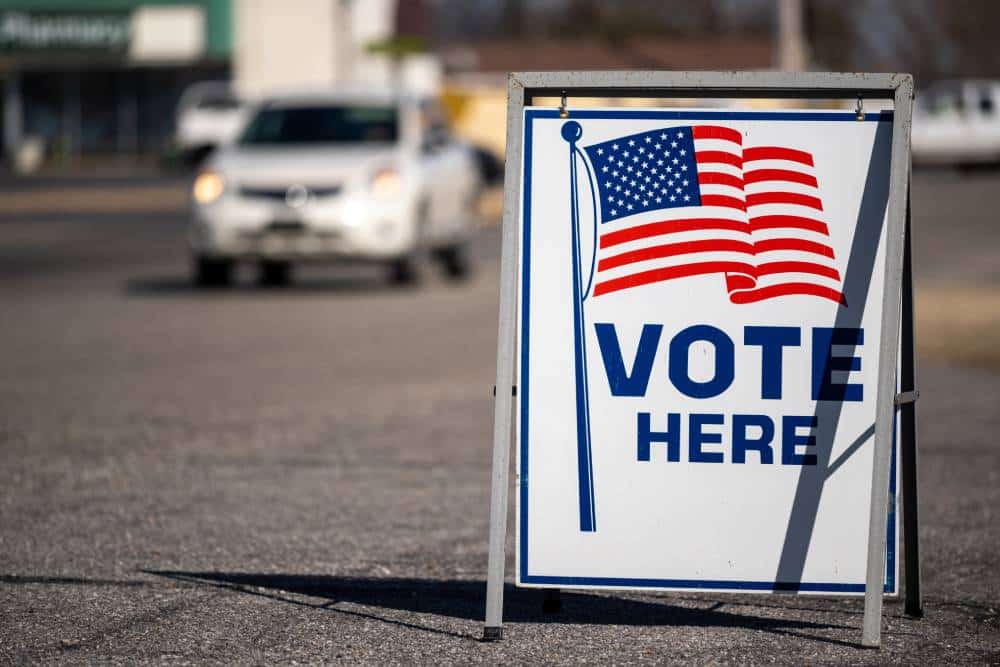
Election season brings streets filled with campaign colors, supporters show their allegiance, and signage becomes part of the civic landscape. Visibility matters this season, yet polling locations operate under different expectations. Rules around political signs at polling places exist to protect voters, preserve order, and keep the act of voting free from pressure or distraction.
At PoliticalLawnSigns.com, we have spent years working with campaigns across the country. This gives us firsthand insight into how these regulations affect real-world strategy.
In this guide, we will break down the legal framework in plain language. This helps campaigns, volunteers, and organizers understand where signs are permitted, where they are not, and how to plan signage that complies with the law rather than violates it.
Political Signs At Polling Places And The Legal Framework
Election law establishes boundaries for polling locations. States restrict electioneering within a defined perimeter typically ranging from 50 to 200 feet of polling place entrances.
Texas (one of the most clearly defined examples) enforces a 100-foot buffer measured from outside doors that voters use to enter a building. Inside that area, campaign messaging must stop.
Electioneering includes more than prominent signage. Laws often cover banners, posters, apparel, buttons, stickers, sound amplification, petition gathering, and direct persuasion. In many states, even wearing a campaign shirt inside the restricted zone triggers a violation. Election officials mark these boundaries with distance markers and hold the authority to remove prohibited materials or ask individuals to leave the area.
Why Distance Markers Matter More Than Many Realize
Distance markers act as the physical line between lawful expression and prohibited activity. Election judges and early voting clerks rely on those markers to enforce election law consistently and fairly. Once signage crosses that line, intent no longer matters.
Campaigns sometimes assume a sign placed just beyond the doorway is acceptable if it feels respectful or unobtrusive. The law does not work that way. Measurement begins at the entrance voters use, not the edge of a parking lot or sidewalk.
Because enforcement authority rests with election officials, who exercise judicial power during voting hours, compliance becomes a matter of preparation rather than negotiation. Campaigns that plan placement in advance save volunteers from confrontations and prevent signage from being removed midday.
Yard Signs Still Play A Strategic Role
Despite restrictions near polling sites, yard signs remain one of the most effective and affordable tools in a campaign’s toolbox. Signs positioned outside restricted zones continue to influence perception, reinforce name recognition, and signal community presence.
Approved locations often include nearby streets, private property with permission, and public areas regulated by local ordinances. In those spaces, visibility counts. Sign size, contrast, and durability influence how well messaging performs during long voting hours and heavy foot traffic.
Products such as corrugated plastic yard signs work particularly well for these placements because they offer a balance of durability and affordability. Campaigns frequently rely on options like 12×18 Cheap Plastic Corrugated Political Campaign Yard Signs for roadside visibility, where quick installation and clean removal matter.
Fold-over cardboard signs also serve a purpose during early voting and short-term events. Campaigns often use these yard signs near volunteer staging areas and approved sidewalks because they stand upright without additional hardware.
State Rules Create Planning Challenges
Electioneering laws vary significantly across states. Some states ban campaign apparel inside polling places, while others restrict sound amplification within hundreds or even thousands of feet. Exit polling faces limitations in many jurisdictions, with narrow exceptions for media organizations.
A campaign operating in multiple states cannot rely on assumptions or general knowledge. One state may allow certain activities outside the restricted zone that another state prohibits entirely. Local ordinances and property rules add another layer of complexity.
Successful campaigns build signage plans that adapt to those differences. Flexible sign formats, standardized messaging, and clear placement instructions enable volunteers to deploy materials confidently, without guessing what is allowed.
Devices, Cameras, And Recording Restrictions
Polling locations restrict more than signs. Many states prohibit the use of cell phones, cameras, tablets, and recording devices within a certain distance of voting stations. For example, Texas law bars wireless communication devices and recording equipment within 100 feet of voting stations, with limited exceptions for election officials and voters with disabilities who use assistive technology.
Security cameras inside polling locations present additional concerns. Election guidance often recommends turning cameras off during voting hours or adjusting them so voting equipment remains out of view. Sound recording raises separate issues that can force polling locations to relocate if not appropriately addressed.
These restrictions underscore the need to place signage outside protected areas. Campaigns that understand the broader environment make better decisions about volunteer conduct and materials.
Apparel And Personal Displays Face Scrutiny
Many voters express surprise when asked to remove or cover campaign apparel before entering a polling place. State laws frequently prohibit visible political messaging within polling locations and surrounding buffer zones. Buttons, hats, shirts, and stickers are considered electioneering in numerous states.
These rules apply regardless of intent. A voter wearing a campaign shirt may not act maliciously, yet election officials still must enforce restrictions evenly. Campaigns that educate supporters in advance reduce tension on voting days. Clear communication helps voters prepare and keeps polling locations focused on their purpose.
Sound, Petitions, And Exit Polling
Sound amplification creates another compliance issue. Many states prohibit loudspeakers, megaphones, and amplified audio within a specified distance of polling places. Petition signature gathering often falls under electioneering restrictions as well, which means collectors must remain outside designated boundaries.
Exit polling may qualify as a limited exception in some jurisdictions when conducted without disruption. Even then, election officials retain discretion to limit activities that threaten order or safety.
Campaigns benefit from reviewing these limitations early rather than reacting on Election Day.
Planning Signage With Compliance In Mind
Campaign signage performs best when design and placement work together. Larger fonts, limited messaging, and high-contrast colors improve readability from approved distances. Durable materials help signs last through long voting periods and unpredictable weather.
Corrugated plastic signs are well-suited for this role due to their lightweight construction and moisture resistance. Cardboard signs with protective coatings are suitable for short-term use where fast deployment is more important than longevity.
Campaigns that plan signage in phases often see better results. Early-voting periods require different placements than Election Day, and inventory should reflect those shifts without overbuying or rushing last-minute orders.
Smart Signage Choices Lead To Better Outcomes
Understanding election regulations allows campaigns to focus on turnout, messaging, and community engagement rather than compliance problems. At PoliticalLawnSigns.com, we help campaigns translate complex rules into practical solutions through signage for real-world use.
Does your campaign need guidance on compliant signage or help planning placements that comply with polling place rules? Contact us today.